FREE SHIPPING On Orders Over US$200
A successful fusion splice still needs mechanical protection before it is placed in a splice tray. However, a sleeve that does not fit the fiber or tray holder can make installation difficult.
Fiber splice protection sleeves support the exposed glass around the joint. Choosing the right sleeve—and installing it correctly—helps protect this delicate area during handling and storage.
1. What Do Fiber Splice Protection Sleeves Do?
A fiber splice protection sleeve covers the area where two optical fibers have been fusion-spliced. A typical heat-shrink design has three main parts:
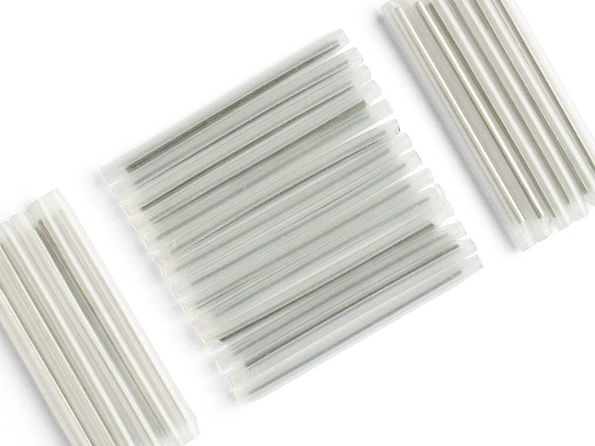
- Outer heat-shrink tube: Shrinks around the assembly when heated.
- Inner hot-melt layer: Softens during heating and sets as it cools.
- Reinforcing rod: Provides mechanical support around the splice.
Materials and construction vary between products. The sleeve protects an existing joint; it does not connect the fibers or repair a poor splice.
A sleeve also serves a different purpose from a splice closure. The sleeve protects an individual joint, while the closure houses the splice assembly and provides environmental protection appropriate to its rating.
2. How to Choose the Right Sleeve
Start with your fiber, splice tray and heater specifications. A sleeve should cover the exposed splice area and fit securely in its holder after shrinking.
| What to check | Why it matters |
|---|---|
| Sleeve length | Must cover the prepared splice area and fit the tray |
| Dimensions after shrinking | Must match the tray holder without being forced into place |
| Fiber coating or buffer diameter | Must fall within the sleeve’s supported range |
| Single-fiber or ribbon construction | Must match the type of splice being protected |
| Heater compatibility | Requires a suitable heater and heating program |
Choosing Between 40 mm and 60 mm Sleeves
Both 40 mm and 60 mm sleeves are common, but other lengths are available. Neither is automatically better: the appropriate choice depends on the required splice coverage and the equipment used. Manufacturers also offer different finished diameters and fiber compatibility ranges.
If your installation supports a 60 mm sleeve, consider Fiber-Life’s 60 mm fiber optic splice protection sleeve for bare-fiber fusion splices. Check its dimensions and fiber compatibility against your installation requirements before ordering.
3. How to Install a Fiber Splice Protection Sleeve
Once you have selected a compatible sleeve, follow this sequence alongside the instructions for your splicer and sleeve.
- Slide the sleeve onto one fiber before splicing.
For a conventional closed sleeve, do this before preparing and joining the fiber ends. Keep it away from the working area. - Prepare, splice and check the fibers.
Follow the fusion splicer’s instructions. Review the splice image and any warnings. If the splice appears defective, remake it before covering it. - Center the sleeve over the joint.
Cover the exposed glass, allowing the overlap onto the coated fiber specified by the sleeve manufacturer. - Heat using the appropriate program.
Place the sleeve in the heater as instructed. Heating settings depend on the sleeve and equipment, so do not assume one setting suits every product. - Allow it to cool before placing it in the tray.
Cooling lets the softened material set. Once cooled, secure the sleeve in its holder and route the fibers without tension or sharp bends.
4. What to Check Before Closing the Splice Tray
A brief inspection can reveal problems while the splice is still accessible. Check that:
- The sleeve is centered, with no stripped glass left exposed.
- It has shrunk as intended, without obvious deformation.
- The cooled sleeve sits securely in the correct holder.
- Fibers entering and leaving the sleeve are not pulled tight or bent below their specified minimum bend radius.
If the sleeve will not fit, check its finished dimensions against the holder specification rather than forcing it into place.
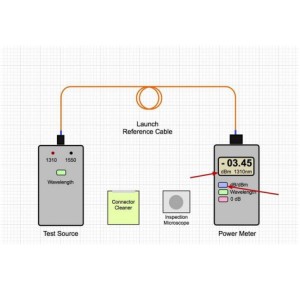
These checks assess the physical installation. They do not replace the optical testing required for the completed link, and the splicer’s estimated loss should not be treated as a final link test.
5. Conclusion
A suitable splice protection sleeve should fit the fiber, heater and splice tray. Threading it onto the fiber before splicing, positioning it correctly and letting it cool before storage are small steps that matter during installation.
Explore Fiber-Life’s Fiber Splice Protection Sleeves to compare options for your next splicing job.